In 2003, the African Union named its 200-million-plus global diaspora the Sixth Region. Africa is no longer five regions, it has six, and 6Africa takes its name from the idea that all six are one investable market. The opportunities between these 6 Regions of Africa is where 6Africa lives.
Eleven of the world's fifteen fastest-growing economies are in Africa. The seven largest African exchanges alone list two thousand companies, and hold a combined market value of over $2 trillion today, in 2026. For most of the last decade, almost none of it was reachable from the diaspora.
That is changing. 6Africa is more than a portal — it is a gateway to a connected ecosystem of changemakers shaping Africa's economic future. The platform brings together entrepreneurs, investors, business leaders, institutions, and diaspora partners, providing access to the knowledge, resources, networks, capital pathways, and market opportunities needed to turn ideas into action and relationships into impact.
The technology enables the connection. The power of 6Africa comes from the people within it — and what becomes possible when they connect, collaborate, invest, and build together.
Sources: IMF World Economic Outlook, April 2026. African Securities Exchanges Association, 2026.
UN Population Division, World Population Prospects 2024. African Securities Exchanges Association. African Development Bank.

Direct deals, African managed funds, diaspora-run firms, and real estate. Plus the research to form your own view.
Tell us what you are building. We are building a catalog that lets the right investors find you.
A year running a portfolio on real African exchanges, alongside people who work in them.
Goods, services, and the professionals who move them across borders.
Country, sector, and market coverage in one place. Free, and staying free.
Founding, research, market, and ecosystem partners. We shape every relationship with intention.
6Africa is a place to learn and to meet people. It is not a place to transact.
We gather the research, organize the opportunity, and make the introduction. We are not a broker-dealer, and we are not an investment adviser. We do not execute transactions; we do not advise on securities, and we take no share of any fee earned by anyone who does.
That is the point: 6Africa is designed to serve the entire investment ecosystem — from finance ministries and fund managers to founders and first-time investors — giving each the trusted information, tools, and connections they need to participate with confidence.

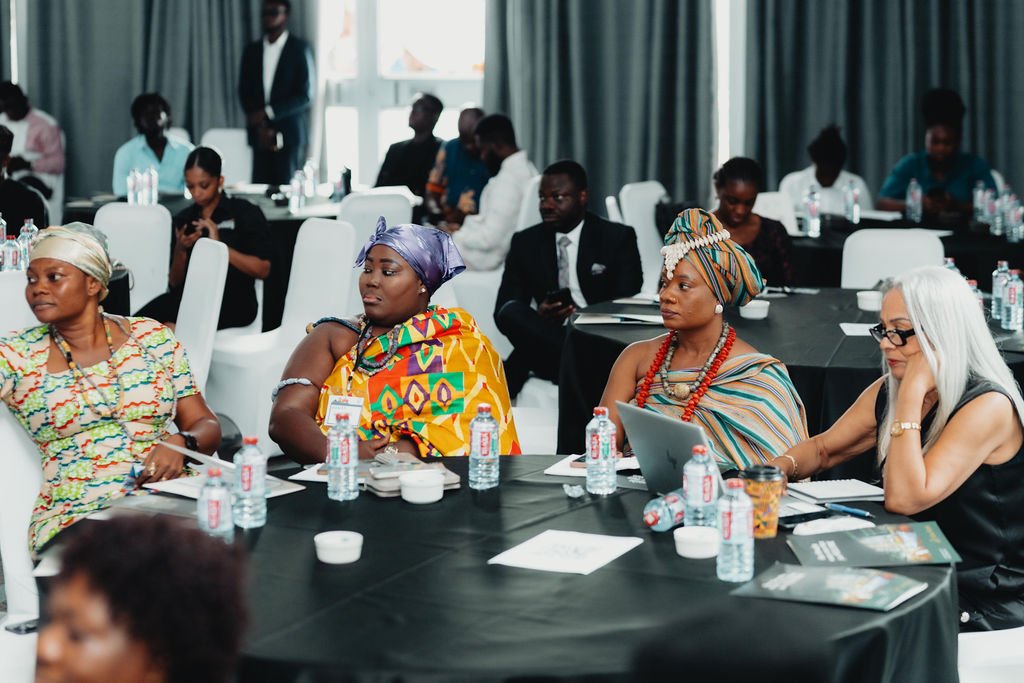
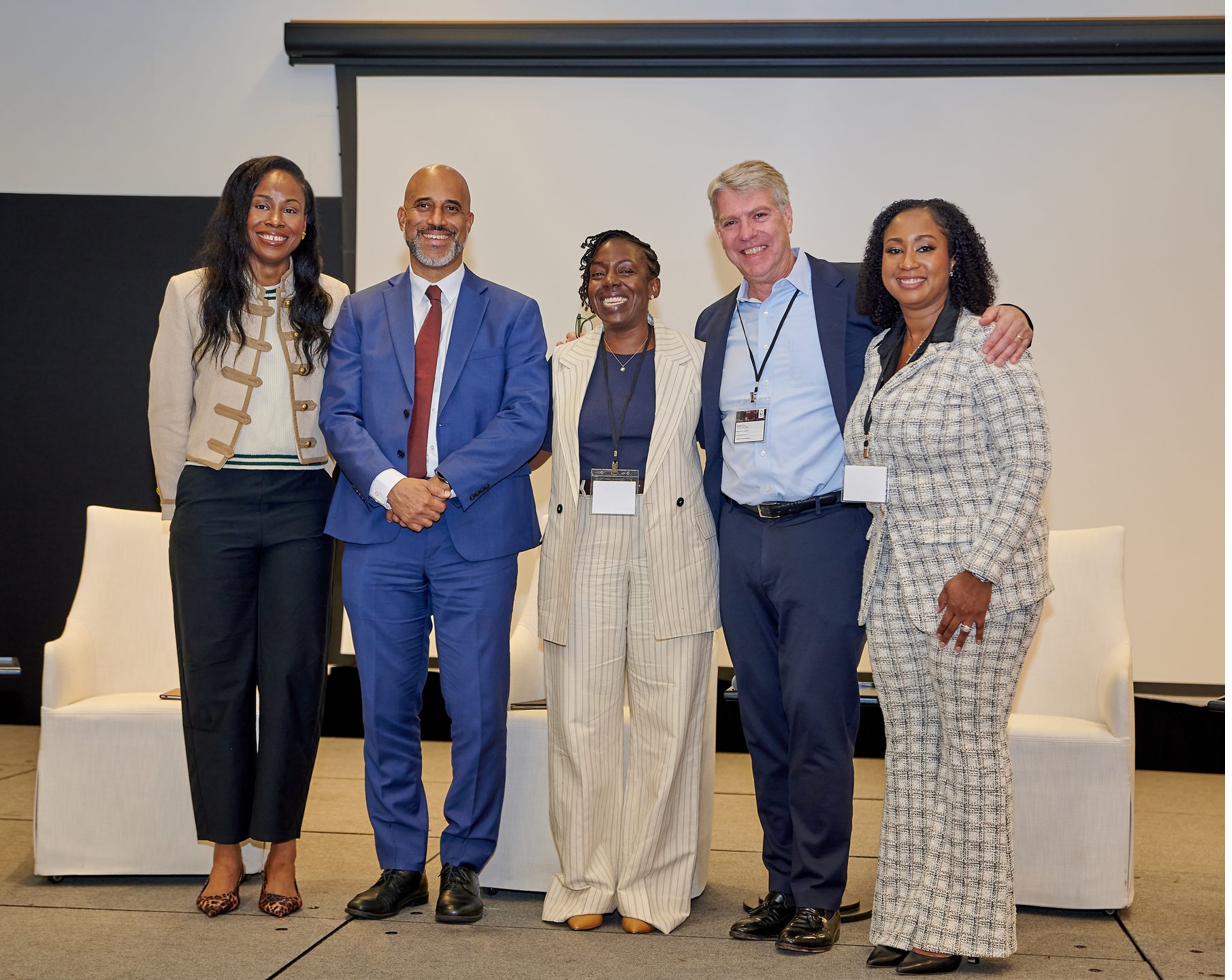
Through our founding partners and growing network of conveners and educators, 6Africa connects with members across the diaspora. Join us at summits, roundtables, panels, and delegations. Our calendar is always growing and includes activities across the US, Africa, the Caribbean, and Europe.
We invite you to join us as we engage within the six regions, and we look forward to meeting you when you do!
Our inaugural challenge is now accepting applications! Join us for the 2027 simulated portfolio competition across African public equities.
We have two divisions running in parallel: university teams and professional teams. Participants manage $1M in simulated capital, meet mentors, and defend their positions to a panel of judges.
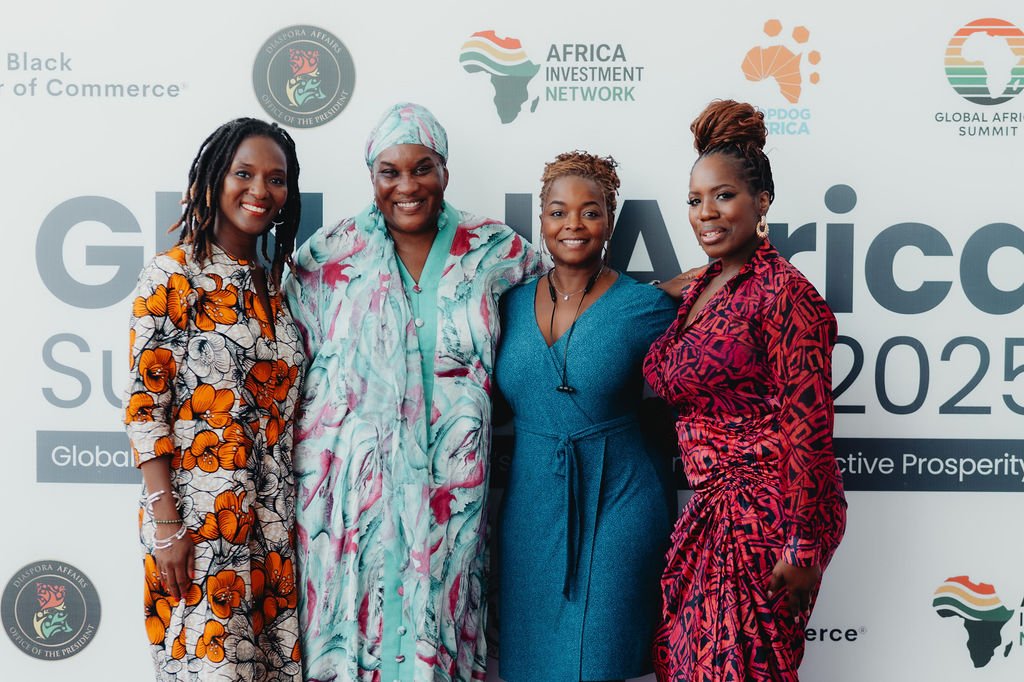
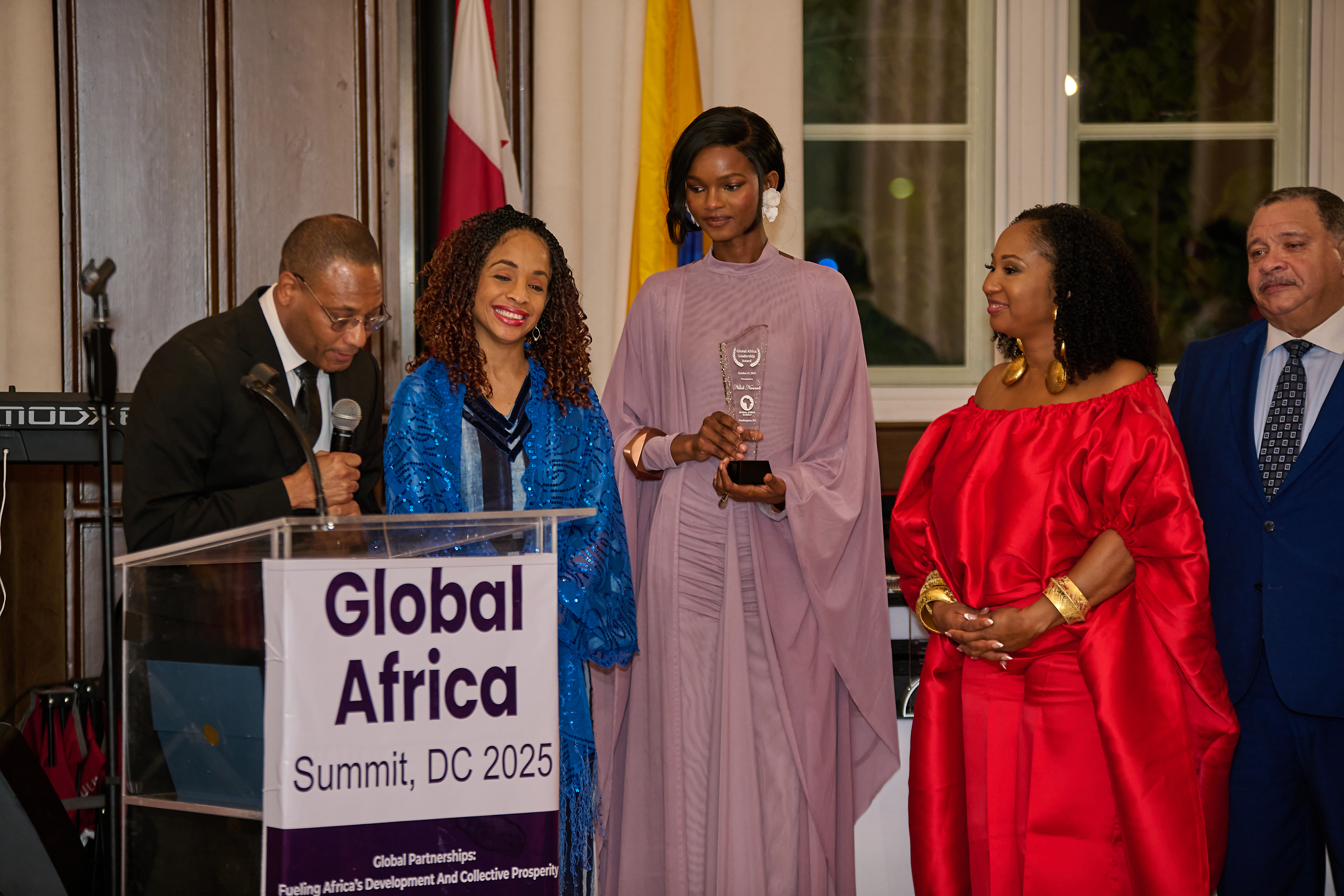
6Africa was built by founding partners who wanted the same thing, and each brought complementary talents. We know the success will come as others join in, so it can be built together.
Membership is free today. We are early enough that the people joining now still get to decide what this becomes.
6Africa is an operating portal for the people who invest, give, trade, and buy across the six regions of Africa. It exists so they can find each other, learn how these markets work, and go further than they could alone.
Anyone with a stake in the continent can join. Membership is free today.
In 2025, Ghana had the best-performing stock market in the world. The second was Zambia's. Africa is home to more than 1.5 billion people, with a median age of nineteen. Eleven of the world's fifteen fastest-growing economies are on the continent, and more than two thousand securities are listed across its exchanges, worth over $2 trillion.
UN Population Division, World Population Prospects 2024. IMF World Economic Outlook, April 2026. African Securities Exchanges Association, 2026.
Now look at how hard it has been to own any of it.
Mainstream American brokers offer almost no direct access to African-listed companies outside South Africa. The entire universe of US-listed Africa funds is two: one pan-African, one South Africa only. No fund has ever existed for Kenya, Ghana, or Morocco, and the two single-country funds that did exist, for Nigeria and for Egypt, were both wound up in March 2024. Meanwhile, the wave of African investing apps built over the last decade carries African savings outward into US markets. It does not bring capital in.
VanEck and iShares fund disclosures, current at publication. Global X ETFs liquidation notice for the MSCI Nigeria ETF and SEC Form 497 supplement, March 2024. VanEck press release on the Egypt Index ETF, 8 March 2024.
The road ran one way.
The diaspora is not small. More than 200 million people of African descent live in the Americas alone, according to the United Nations, and the global figure is larger. They send roughly $95 billion home every year, more than foreign investment and foreign aid combined, against a development financing gap the African Development Bank puts at $400 billion.
United Nations estimate, cited by the US Congressional Research Service. African Development Bank, remittances and the New African Financial Architecture for Development.
That money is patient. It is attached to real places and real families in a way that almost no other foreign capital is. It is also among the least organized capital in the world, as it arrives as remittance rather than as ownership. A family sending money home every month for twenty years has kept people fed and schooled and has built nothing they own. Both things are true at once, and the second does not have to stay true.
The same is true inside the continent. African savings largely do not reach African exchanges. Imagine if they did. Imagine a generation of Africans holding the companies that employ them, funding the infrastructure they use, and keeping the returns. That is not a charitable outcome. It is what every other region in the world already does.
Sixty-two percent of American adults own stock. In South Africa, which has the continent's second-oldest and deepest capital market (after Egypt's), fewer than one percent of households do. In Morocco, it is half of one percent.
Gallup, annual Economy and Personal Finance survey, 2026. Review of Behavioral Finance, using the South African National Income Dynamics Survey. HelloSafe study of national stock market participation rates.
This is why we say six regions and one market. The fifty-five countries of the African Union are geographically organized into five regions plus the diaspora, which the Union named its Sixth Region in 2003. As one investable market, the six regions will grow more sustainable, prosperous, and healthy together.
Constitutive Act of the African Union as amended, Article 3(q), adopted in Addis Ababa in February 2003 and in Maputo in July 2003.
UN Population Division. African Securities Exchanges Association. African Development Bank.
The African Union recognized the Sixth Region in 2003 and two decades later, demographic, economic, geologic, and political trends are all pointing to decades of African growth ahead of us. Underneath the politics, the plumbing is arriving. The African Exchanges Linkage Project now connects eleven African markets to one another, up from seven a year ago, and is still adding. Mystocks.Africa, our technology partner, reaches eight exchanges across sixteen countries from a single account, settled in dollars. The African Development Bank's new financing architecture, NAFAD, was endorsed by the African Union in February 2026, and diaspora and civil society stakeholders have been invited to help shape it. The largest free trade zone is in Africa and the world wants what Africa has. This time it will be on African terms.
African Union ECOSOCC. African Exchanges Linkage Project and African Securities Exchanges Association, July 2026. Mystocks.Africa. African Development Bank, NAFAD.
What is missing is how many people know how to access Africa wisely. That is a solvable problem, and it is most of what we do.
The African Union and the African Development Bank are building the supply side of this with real seriousness. The African Exchanges Linkage Project is connecting the exchanges to each other. NAFAD, the continent's new financing architecture, was endorsed by the African Union in February 2026 and is redesigning how capital is mobilized across Africa. Both are expressions of a vision the Abuja Treaty set out in 1991.
None of it addresses the demand side. The frameworks build the market. They do not build the people who use it.
We are not a parallel effort to what the AU and the AfDB are building. We are the part that makes it reachable.
African Development Bank, New African Financial Architecture for Development and the Abidjan Consensus, April 2026. Treaty Establishing the African Economic Community, 1991.
No one place brings together exchange data, fund information, country risk, and investment pathways in a form a non-institutional investor can act on. Without it, people who want to take part cannot.
Research →US retail investors are nearly walled out of African-listed equities, with the intermediary infrastructure as the primary obstacle.
Engage →The people most motivated to invest in Africa have had the fewest places to learn how. Remittances reach Africa. Investment does not. The gap is not motivation.
Learn →6Africa is a place to learn and to meet people. It is not a place to transact.
We are not a broker-dealer, and we are not an investment adviser. We do not execute transactions, we do not advise on securities, and we take no share of any fee earned by anyone who does. When a member decides to act, they do so with a regulated firm, a contracted adviser, or a trading partner, separately from us.
That separation is deliberate. It is why a government, a fund manager, a founder, and a first-time investor can use the same platform and trust it for different reasons.
These markets are large and complex, and they need data to navigate. We publish our own findings, as well as contributions from members and partners. All research on the platform sources the author and institution who produced it.
6Africa was created by leaders from founding organizations who came together to build this ecosystem, each bringing complementary strengths — convening, capital markets, platform-building, and a sharpened lens on ownership. Decisions are made together, and we expect the team to keep growing as others join us.

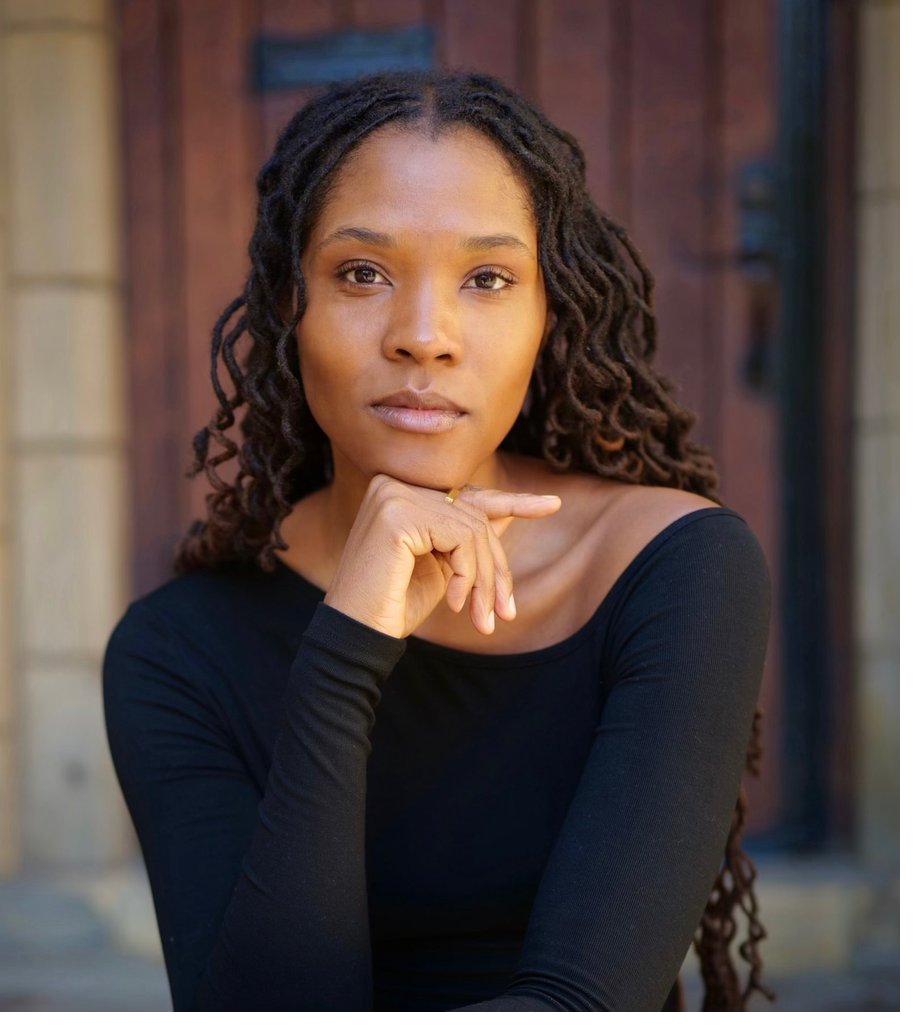


Founding, research, market, and ecosystem partners each bring something to the platform. We have gotten it started, but we cannot build it alone.
We think about investing across the six regions through five channels: direct deals, African asset managers, diaspora asset managers, real estate, and impact through giving. Better-informed investors and better-described opportunities lead to better portfolios and longer-held capital.
Some of this is running. Some is being built.
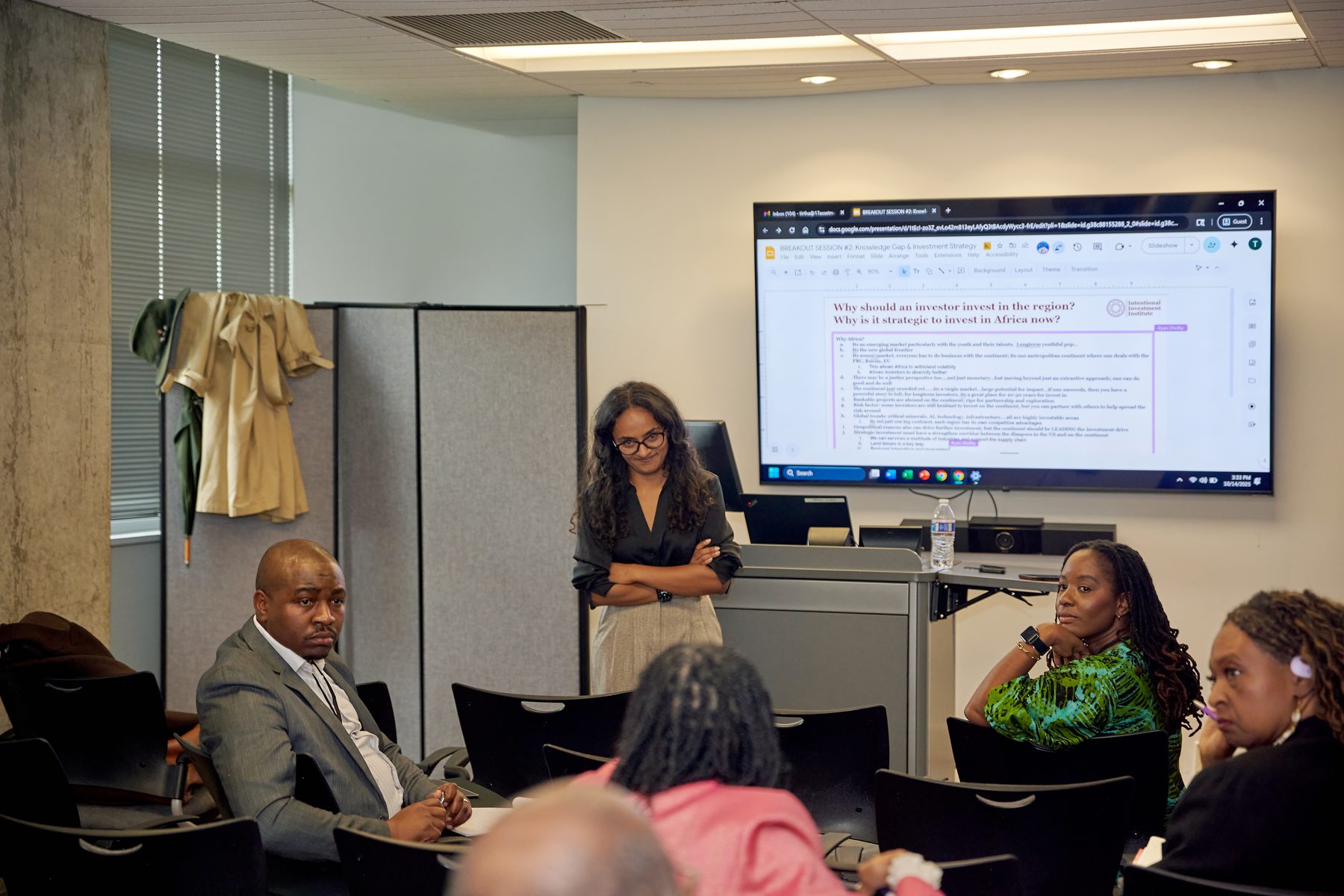
Nothing on this page is an offer to sell or a solicitation to buy any security, and nothing here is investment advice. 6Africa does not sell, place, recommend, or advise on any investment. Inclusion in any catalog or directory on this site is not a recommendation or an endorsement.
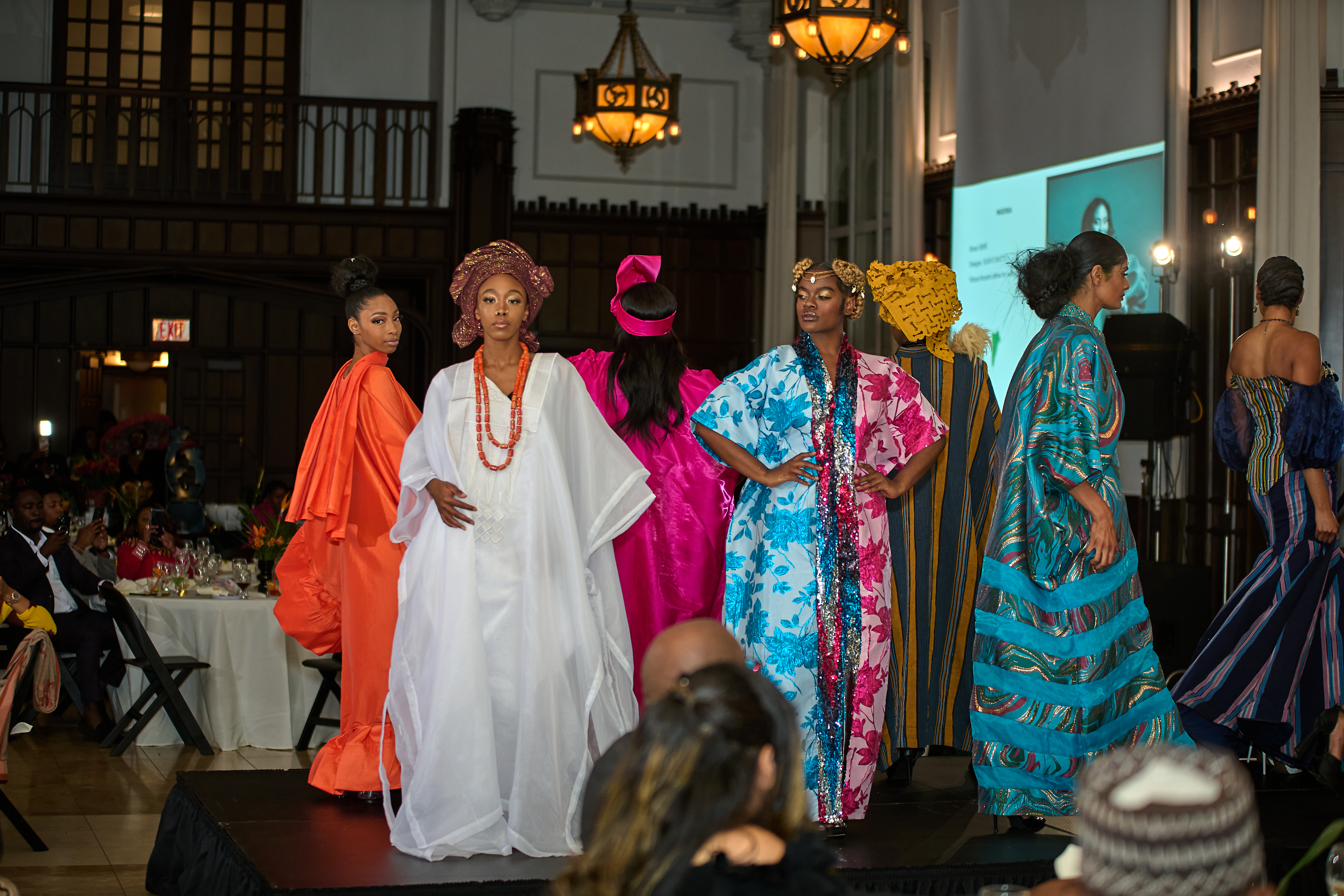
We are building a catalog of private investment opportunities across the six regions. Each entry describes the industry, the amount of capital sought, the intended use of that capital, the form of investment sought — equity, debt, grant, or blended — the business itself, and the operating team behind it.
Deal terms and confidential material sit behind permission and a non-disclosure agreement. Nothing is listed publicly.
Alongside it, we are building a database of investors who have told us what they invest in and at what size, accessible only with their permission. We provide this to investment conferences, and we work with qualified advisers who can serve these opportunities through the appropriate regulated channels.
6Africa builds the catalog and the database. That is our role. Reviewing a company, advising an investor, and structuring or executing any transaction sit outside 6Africa, with regulated firms or advisers a member chooses. We do not assess whether any company is a good investment, and a listing does not reflect our opinion.
We want to make it easy for people to know who manages funds in Africa, what types of funds are available, and which investors each fund accepts. Traditional investment firms in the US don't have a broad inventory of African managed funds, and most direct investors don't have access to databases to find them. That is why we are building a directory for African investments: public, private, venture, infrastructure, and impact, sortable by geography, asset class, sector, and fund size.
A listing means a manager has given us their information and we have confirmed the firm exists and holds the licenses it says it holds. It is not an opinion about the manager; it is not a ranking, and it is not a recommendation.
Managers of African descent are running funds in New York, Chicago, Los Angeles, Seattle, Charlotte, Baltimore, London, and Zurich. Many are looking for African institutional capital. Many African allocators have never heard of them. We believe there are great synergies to build bridges within this ecosystem.
Real estate represents belonging. It is also where a great deal of diaspora capital already goes. Remittances to Africa reached about $96 billion in 2024, more than foreign direct investment; Nigeria alone received $20.9 billion, roughly four times its formal FDI. Meanwhile, Nigeria faces a housing shortfall of some 28 million units and Ghana 1.8 million.
Buying from abroad is different from buying at home, and not everyone is set up for it. What matters is having a real choice of firms, and knowing which questions to ask before you commit. Across the continent, this asset class is growing in residential, commercial, and land.
World Bank and African Development Bank remittance data, 2024. Central Bank of Nigeria. Africa real estate market reporting, 2026.
Remittances, donor-advised funds, and grants are capital too. Remittances now exceed both foreign direct investment and foreign aid into Africa. Philanthropy has become an important strategy for large wealth holders. The range of charitable initiatives, concessionary loans, and family remittances can be refined to create longer-term impact.
African Development Bank, remittance flows to Africa.
If you invest across the six regions, or intend to, join and tell us what you are looking at.
Africa holds about 30 percent of the world's critical mineral reserves and roughly 60 percent of its uncultivated arable land, alongside fast-growing sport, entertainment, fashion, and agriculture sectors. It is also growing rapidly and needs supplies for infrastructure, engineering, and many professional services.
This represents the trade opportunity. The opportunity to stimulate trade between diaspora businesses and those on the continent creates a different value proposition. One not built on extraction, but on creating value and wealth within Africa's six regions.
IMF Regional Economic Outlook, Sub-Saharan Africa. UN Food and Agriculture Organization, Africa. Critical minerals share reflects cobalt, manganese, graphite and platinum-group metals; Africa's share of lithium, copper, nickel and iron is small.
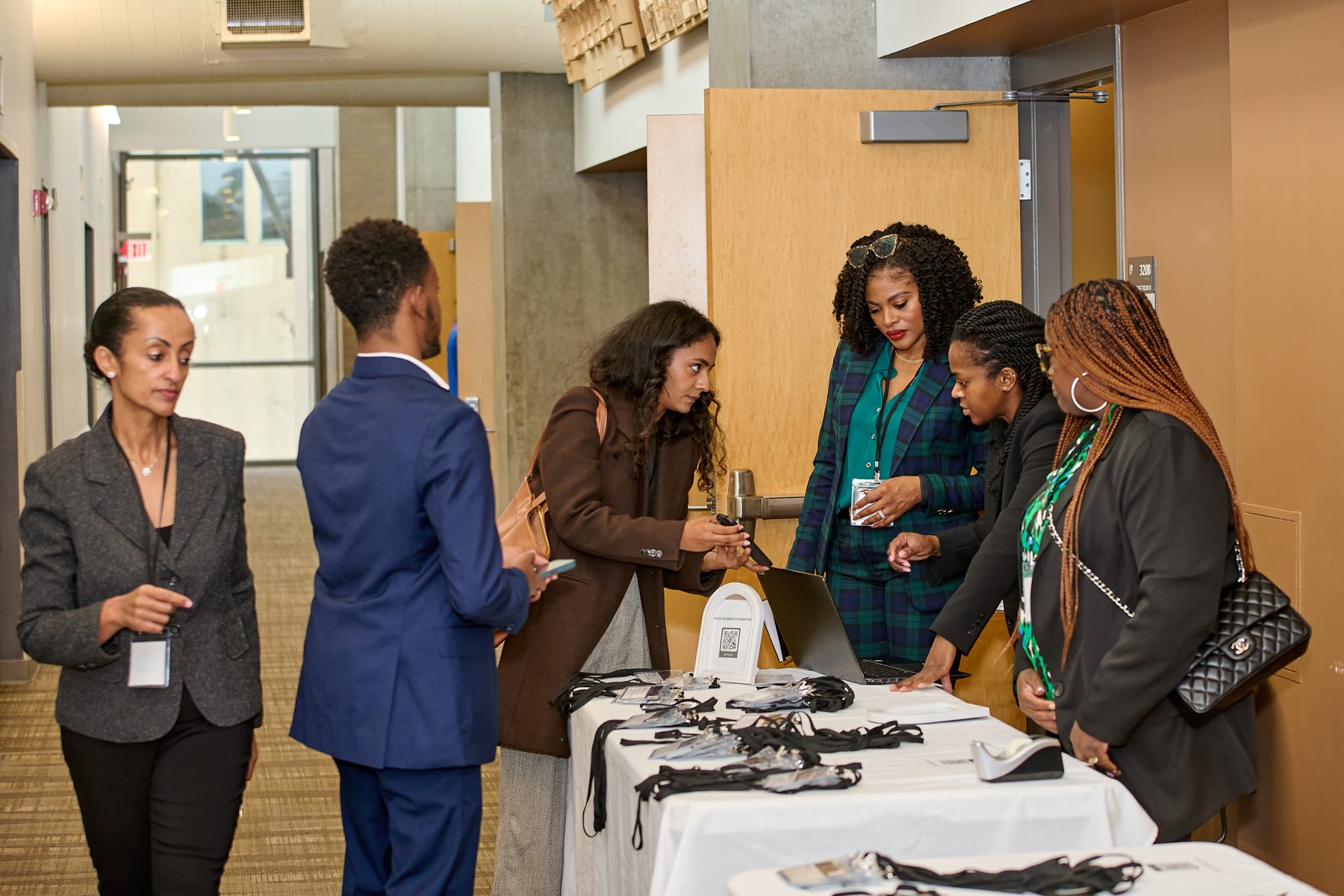

One place for business-to-business connections, import and export opportunities, and the professionals who make cross-border trade work.
A listing in the service provider directory is not a recommendation, and we take no referral fee from anyone in it.
If you move goods, services, or people between Africa and the rest of the world, tell us what you need, and help shape what gets built.
6Africa and its members aim to reduce it.
An investor who wants to understand Ghana's agribusiness sector has to assemble the picture from a dozen sources, many of them behind a paywall. An allocator comparing five African exchanges has no single table to look at. Nobody commits capital to a market they cannot see clearly.
This is the gap we are closing first.

We are building a searchable, tagged research library — one place for country, regional, thematic, industry, asset class, publication type, contributor, and date views. Until it is live, the featured reports below are available to read now. If your organization would like to contribute research, we would like to hear from you.
Economic and market review of the six regions. Macroeconomic, digital readiness, public market, and private capital trends across Africa.
Read now
Policy perspective on African stock markets and the US investor — how capital moves out, why so little moves in, and what would change that.
Read now
Country research report on Morocco's capital markets, economy, and investment landscape. Prepared by Anas Attal, Fatoumata Yattassaye, and Mariam Khan.
Read nowThe 17III research team and the Africa Investment Network produce research on 6Africa, with contributions from our research partners. Every item names the author and the institution that produced it.
The library covers strategic, thematic, industry, pan-Africa, country, asset class, and market data. If your organization would like to contribute, tell us. Everything here is meant to help people give, invest, trade, and buy across the six regions.
Standing note on all research. 6Africa research is published for general information. It is not investment advice, not a recommendation, and not an offer or solicitation in respect of any security. No item promotes any particular investment, fund, or vehicle. Market data is supplied by third parties, may be delayed, and is not provided for trading purposes.
The quality of that growth depends on how many Africans understand how their markets work. With a median age of nineteen, there is no more valuable thing to teach.
UN Population Division, World Population Prospects 2024.
Interest in African investment is not scarce. Confidence is. Most people who want to invest stop at the same place: nobody ever showed them how these markets work, and finding out has been hard. Many myths overstate risk and understate value. These need to be unlearned, and investors need the the capabilities to navigate the opportunities within the six regions.
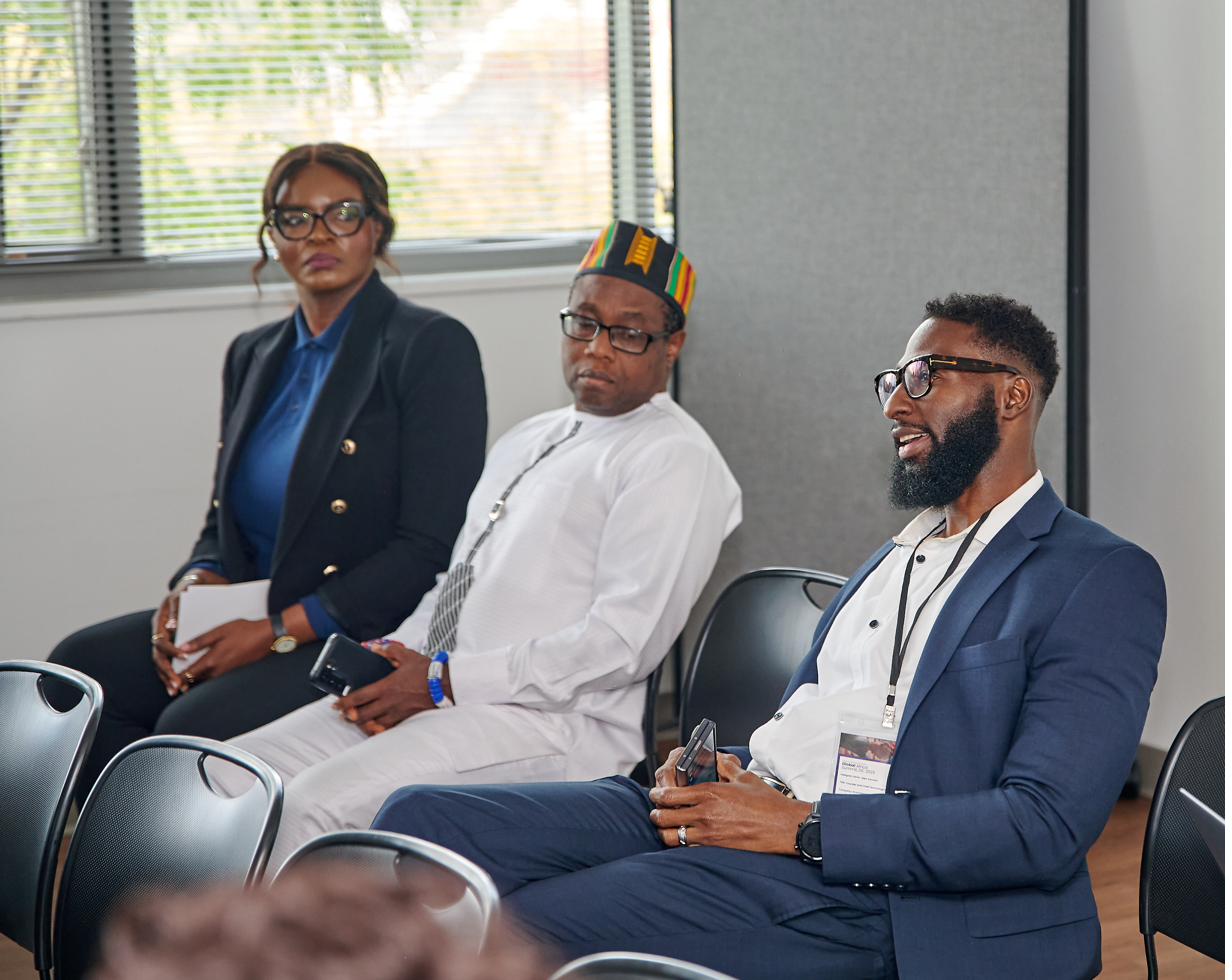

The fastest way to understand a market is to be responsible for money in it.
A year-long investment competition built around African public equities. Teams from universities and institutions manage a simulated one million dollar portfolio, defend their reasoning to a panel of judges, and are ranked on how they think as much as on what they return.
Structured courses on how African markets work. Asset classes, reading country risk, judging a fund manager, moving money across borders, and the rules that apply where you live. These courses teach frameworks and processes, but they do not qualify anyone for anything, and nothing in them is personal advice.
Eight hours of foundational capital markets training contributed by 17III. Delivered to Challenge teams, with broader rollout coming soon.
Read what we read.
A comprehensive syllabus for the self-guided scholar — the foundational texts on African capital markets, diaspora capital, and equity sovereignty. Use it to build the knowledge base before you build a portfolio, or share it with a team, a class, or a client.
We recruit Fellows by country and region across the continent. They gather local market intelligence, fill the gaps in our research, and represent 6Africa where they live.
If you teach, mentor, or run a program that belongs here, we want to hear from you.
That attrition is the problem we exist to solve. We support what happens after a summit, so attendees can build on the connections made.

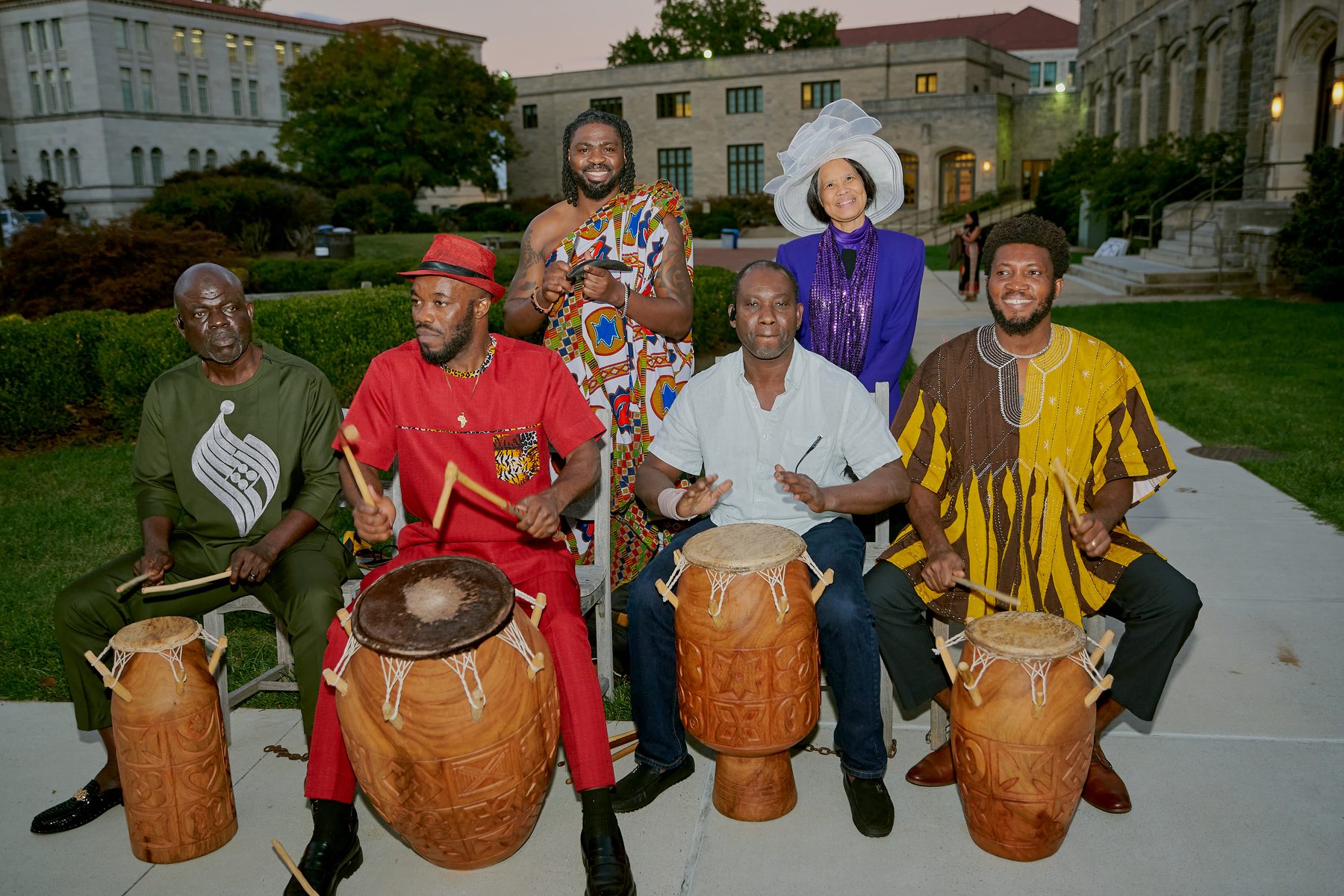
If a convening matters to people moving capital across the six regions, it belongs on this calendar: summits, policy forums, trade missions, exchange listing days, and the work of organizations aligned to the mission.
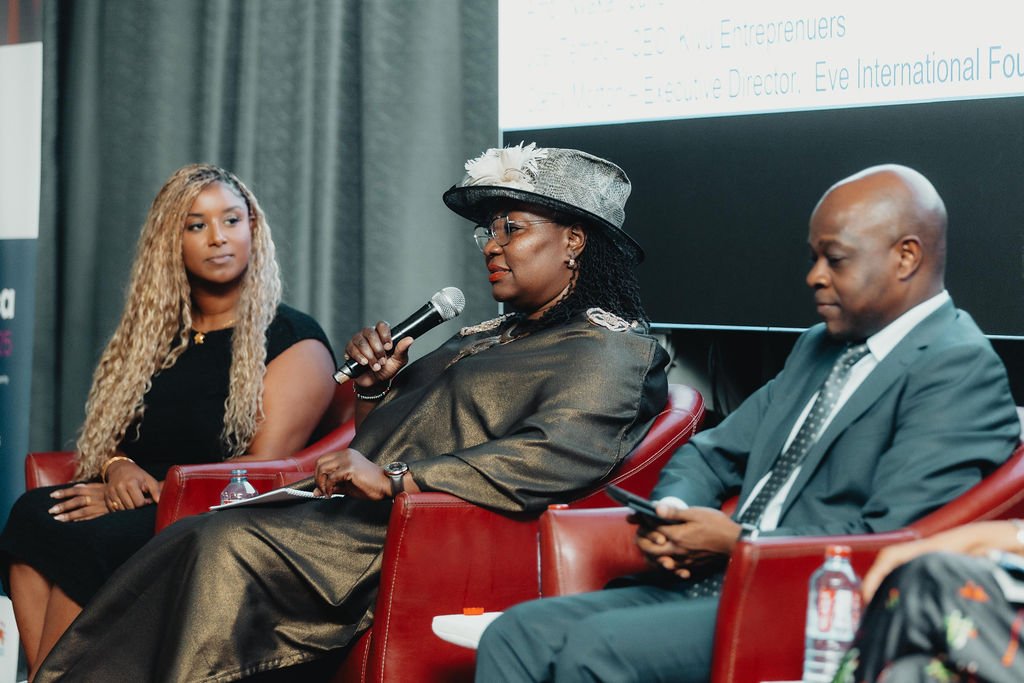

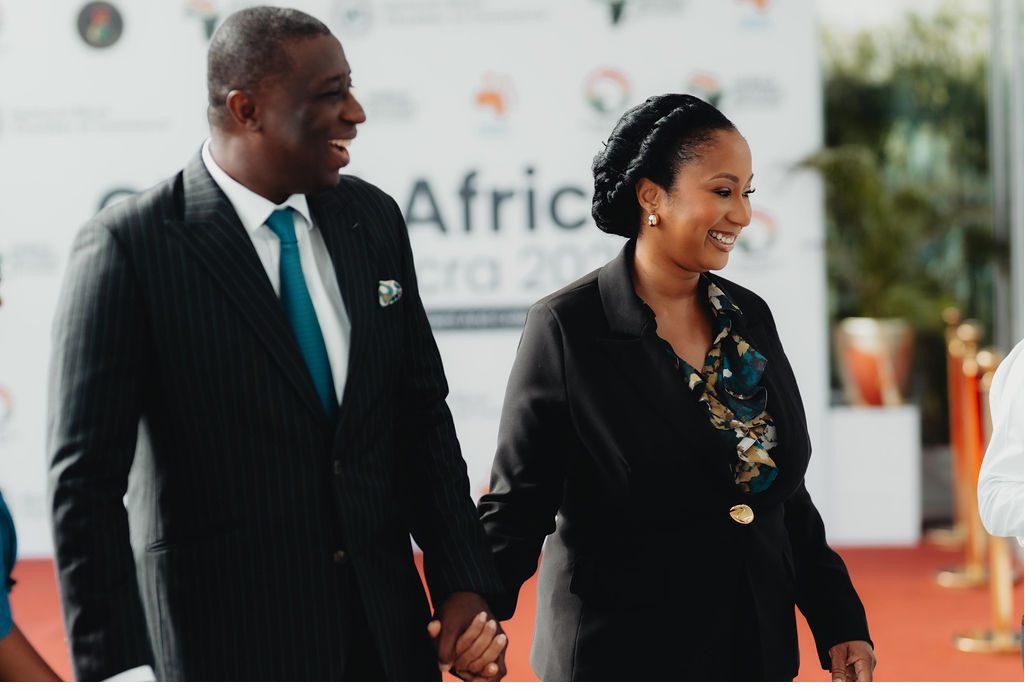
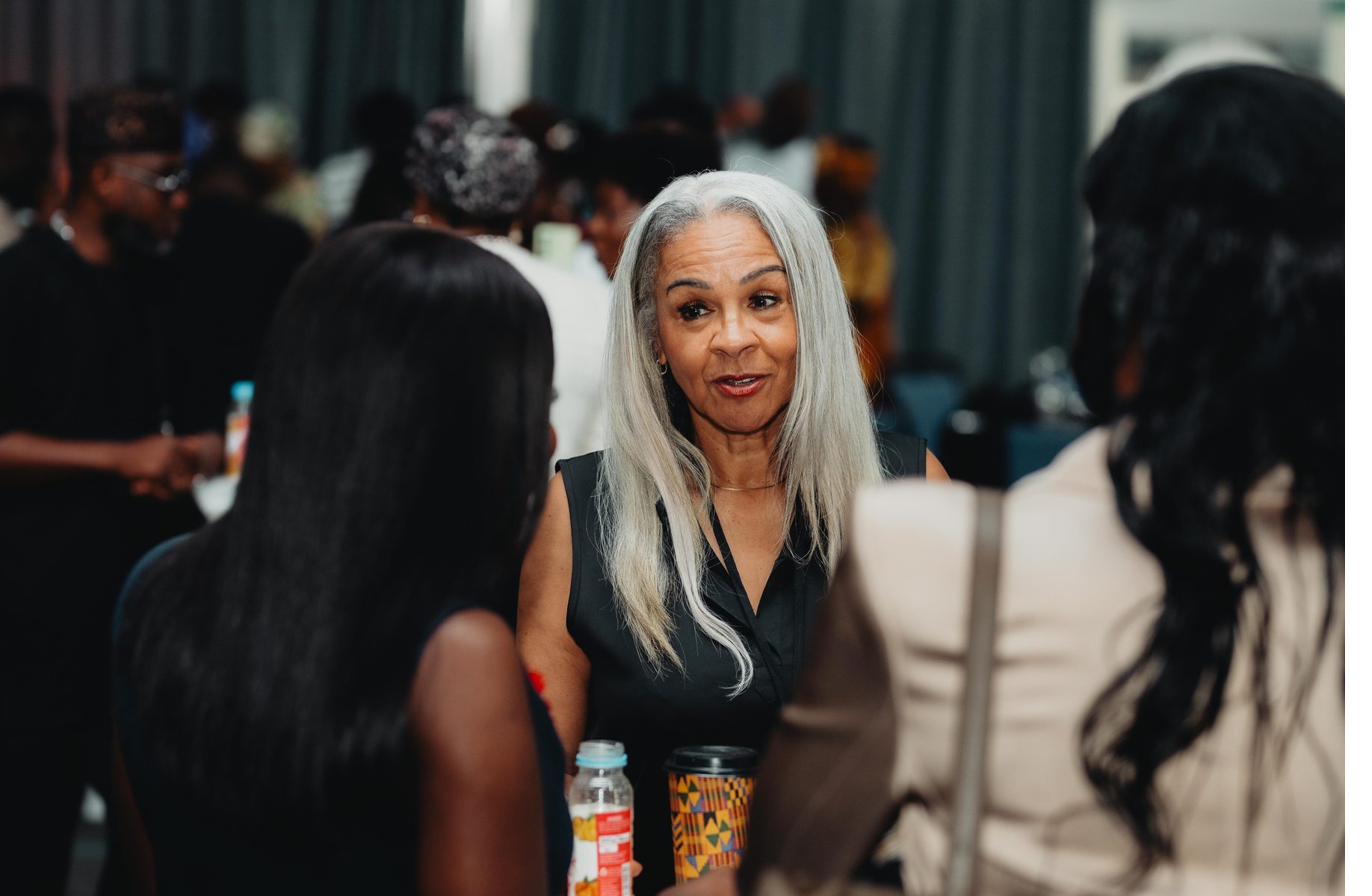
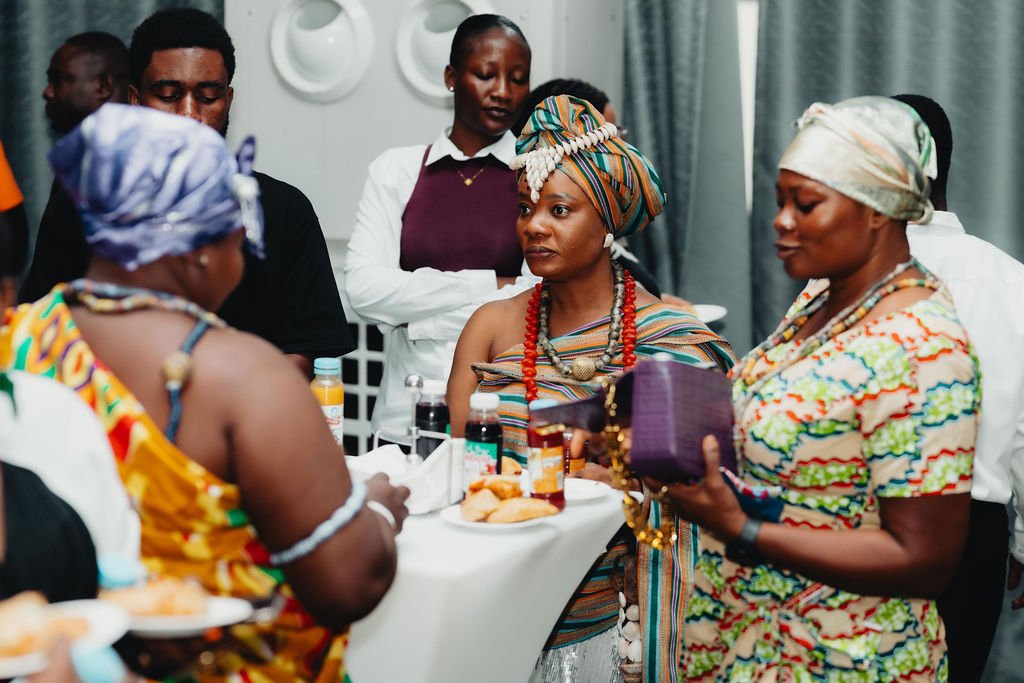

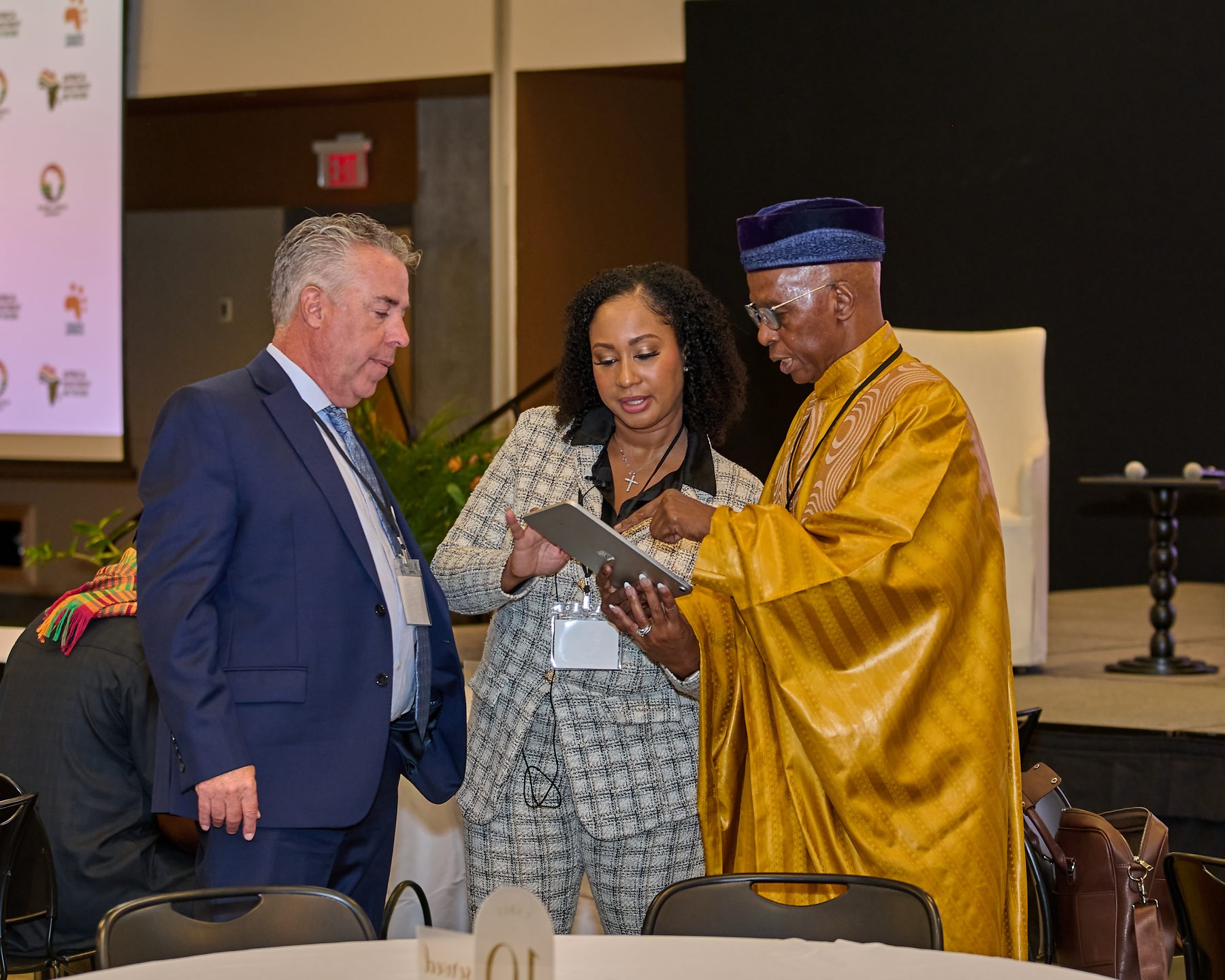

6Africa runs no events of its own, and that is deliberate. There is no shortage of conferences about Africa. The connective tissue between them is short. We support the organizations already bringing people together, and we point members to the ones worth attending.
6Africa can support a convening with deal room logistics, a place to post opportunities, and a record that outlasts the room.
Ask people in the diaspora what made them serious about investing at home, and a surprising number describe a trip. Heritage travel, business delegations, cultural programs, curated tours. Economic participation rarely begins with a wire transfer.
We work with organizers on the platform and outside it to surface trips worth taking, and we invite members hosting cultural tours or delegations to list them alongside the calendar.
Someone living in Lagos can buy Apple through a licensed app on their phone. Someone living in Atlanta cannot buy a Nigerian bank the same way. The exchanges are ready. The rules on the African side are not the obstacle. What is missing is intermediary infrastructure on the US side that meets US regulatory requirements.
We say so publicly, in the rooms we are in and in the research we publish. We are not building that infrastructure, and we do not take a position on who should. We take the position that the gap should close, and that people who want to invest in Africa should be able to.
SEC Rule 15a-6. African Exchanges Linkage Project. See the research library for full analysis.
Cross-border work needs people who have done it before: lawyers, accountants, tax advisers, logistics specialists, consultants, and regulated firms. Members who want to offer their expertise can list it here, and members looking for it can find them.
A listing is a member telling you what they do. It is not a recommendation from us, we do not assess anyone's work, and we take no referral fee.
African governments, exchanges, asset managers, diaspora organizations, wealth managers, and institutional partners are all working on pieces of this. A place where the pieces add up is missing. We are not trying to own the space. We are trying to make the rest of it easier to find and easier to join.
All organizations and leaders across the six regions bring needed solutions. If you want to get involved in our work beyond being added to our directory, consider joining us as a partner. We believe 6Africa will be a resource for many to build their own profitable businesses.

Organizations that got this started, and are working alongside 6Africa to shape what it becomes.
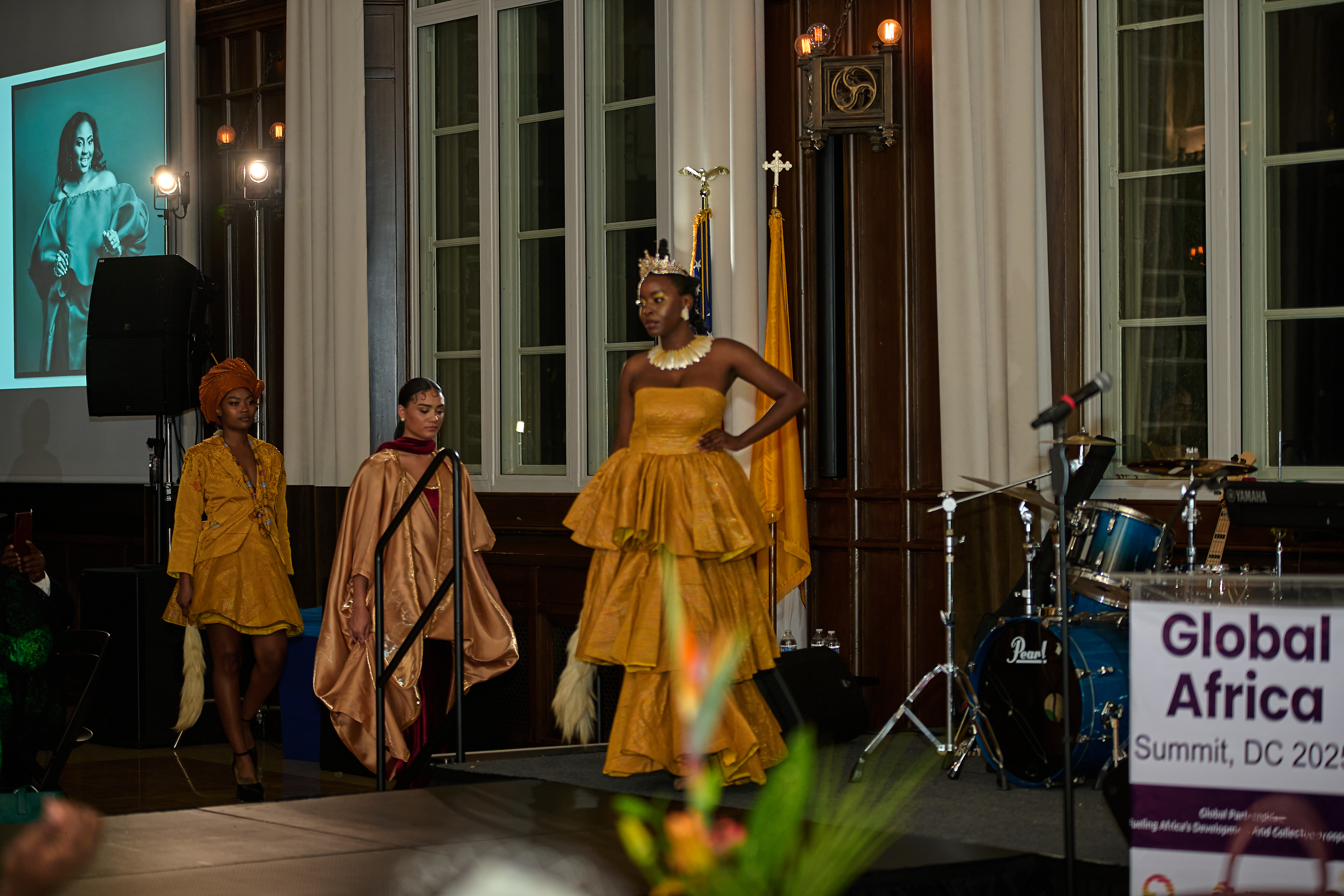
Africa Investment Network. Washington, DC, with offices across Africa. A nonprofit chamber of commerce connecting Africa, its diaspora, and global partners, with roots in international trade. AIN convenes the Global Africa Summit series and holds market and government relationships.

Black Capitalists. Founded by Dr. Rachel Laryea. A platform built around a single question: what does it look like to thrive within capitalism without diminishing someone else's life chances? Built across a book, a newsletter, an annual convening, and the conversations they spark.

17 Intentional Investment Institute. New York, NY. A field-building program for capital markets in emerging economies, currently operated within Seventeen Asset Management LLC. 17III builds and governs the platform, produces the research, and contributes the Populate Wall Street curriculum and the 6Africa Stock Market Challenge.
Organizations that produce research, data, or analysis on markets across the six regions, and contribute it to the library. Universities, think tanks, research houses, data providers, and asset managers with published market intelligence.
You operate or regulate the markets themselves. Stock exchanges, securities regulators, central banks, finance ministries, capital market authorities, investment promotion agencies, and trade bodies.
Everyone else who makes the platform work. Technology and infrastructure providers. Diaspora associations, professional networks, and universities. Conference hosts and convening organizations. Ambassadors and country partners who represent 6Africa where they live. Foundations and sponsors who fund market-building work.

6Africa is an information and connection platform. It is not a broker-dealer and not an investment adviser, and it does not execute transactions.
When a member decides to act, they do so with a regulated firm, a contracted adviser, or a trading partner, separately from us. We invite those firms to make themselves available to members as resources, and members who want to offer their expertise can list it in the professional services directory.
We receive no fee, no referral payment, and no share of revenue from any firm that transacts with a member, and we never will. That is written into how the platform is governed.
Tell us who you are and what you are working on. Every conversation starts the same way, and we take it from there.
Rather than presenting ourselves as finished, our aim is to build 6Africa with you, our founding members. We want to know who you are, what you are working on, what you bring to this ecosystem, and what you need from it. Membership is currently free.


You are investing across the six regions, or you mean to be. You are building something on the continent. You move capital, facilitate trade, or connect the people who do. You have been in the rooms. You know what is missing.
This is for people who are ready to be known and connected.
Join as a participating memberWhen you join, we ask you to rank themes by your priority. It helps us understand who you are and where to connect you as the platform takes shape. We also want to know your level of interest across all four themes, or whether you prefer to focus on your top-ranked theme.
Privacy Policy
6Africa is committed to protecting your privacy. Last updated September 2026.
6Africa ("6Africa," "Program," "we," "us," and/or "our"), a program under fiscal sponsorship by Humanitarian Social Innovations (a 501(c)(3) non-profit organization in Pennsylvania), is committed to protecting your privacy. We have prepared this Privacy Policy to describe to you our practices regarding the personal data (as defined below) we collect from users of our website located at https://6africa.org (the "Site"), as well as all related websites, applications, content submissions, user account portals, networks, and other services provided by us (collectively, the "Services"). This Privacy Policy applies whether you are using the Site to explore our programs, participate in content submissions, register for a user account, or engage with our initiative globally across North America, South America, the African continent, Europe, and other regions.
If you have any questions, concerns, or complaints about our Privacy Policy or our data collection or processing practices, or if you want to report any security violations to us, please contact us at the following address or email:
6Africa
c/o Heather McGee
12 East 49th Street, 11th Floor
New York, NY 10017
info@6africa.org
We do not intentionally collect personal data from visitors under 18 without parental or legal guardian consent. If a minor under 18 submits personal data to 6Africa without proper consent, and we learn that the personal data belongs to a minor under 18, we will attempt to delete the information as soon as possible. If you believe we have any personal data from a minor under 18, please contact us at info@6africa.org.
6Africa operates globally, serving participants and partners across North and South America, Africa, Europe, and other regions. If you are accessing our Services from outside the United States, please be aware that your personal data may be transferred to, stored, and processed in the United States and other countries where our third-party infrastructure and service providers operate. Data protection laws in these countries may differ from those in your jurisdiction. By using our Services or providing us with your information, you consent to the transfer and processing of your personal data across international borders in accordance with this Privacy Policy and applicable regulations, including GDPR for European residents and applicable data protection frameworks across African nations.
We collect personal data from you in various ways.
We collect the personal data you voluntarily provide to us.
To deliver efficient, secure, and reliable services, 6Africa integrates with leading third-party service providers and technology platforms, including:
Cookies and Other Information Collected by Automated Means: Our service providers and business partners may automatically log information about you, your computer or mobile device, and activity occurring on or through the Service. The information that may be collected automatically includes your computer or mobile device operating system type and version number, manufacturer and model, browser type, screen resolution, IP address, the website you visited before browsing our website, general location information such as city, state or geographic area; and information about your use of and actions on the Service, such as pages or screens you viewed, how long you spent on a page or screen, navigation paths between pages or screens, information about your activity on a page or screen, access times, and length of access. Our service providers and business partners may collect this type of information over time and across third-party websites and mobile applications. On our web pages, we collect this information using cookies, browser web storage (also known as locally stored objects, or "LSOs"), web beacons, and similar technologies, and our emails may also contain web beacons.
Analytics Services: We use Google Analytics and related third-party analytics services to help us analyze how users engage with our Services. Google Analytics transmits and stores information about your use of the Site. Google processes this information to evaluate site usage, generate activity reports, and help us improve the user experience. To learn more about Google Analytics privacy practices, visit Google's Privacy Policy at https://policies.google.com/privacy.
If you invite a third party to collaborate, submit content, or join an account on 6Africa, we may collect your name and the third party's email address to deliver the invitation. You may contact us at info@6africa.org to request that we remove this information from our system.
We may receive personal and/or anonymous data about you from our third-party partners, including from registered investment advisor databases. These third-party companies may supply us with personal data. We may add this information to the information we have already collected from you via our Services to improve our Services.
We use your personal information for the following purposes and as otherwise described in this Privacy Policy or at the time of collection:
We analyze how you use the Service to improve it and develop new products and services, including by studying user demographics and Service usage.
We may send you 6Africa newsletters, program updates, and initiative announcements via HubSpot or Google Workspace as permitted by law. You can opt out of non-essential communications at any time by clicking the unsubscribe link in our emails or by contacting us.
We use your personal information as necessary or appropriate to comply with applicable laws, lawful requests, and legal processes, such as responding to subpoenas or requests from government authorities.
We may use your personal information and disclose it to law enforcement, government authorities, and private parties as we believe necessary or appropriate to (a) protect our, your or others' rights, privacy, safety, or property (including by making and defending legal claims); (b) enforce the terms and conditions that govern the Service; and (c) protect, investigate and deter against fraudulent, harmful, unauthorized, unethical or illegal activity.
In some cases, we may specifically ask for your consent to collect, use, or share your personal information, such as when required by law.
We may create anonymous, aggregated, or de-identified data from your personal information and other individuals' personal information we collect. We make personal information into anonymous, aggregated, or de-identified data by removing information that makes the data personally identifiable to you. We may use this anonymous, aggregated, or de-identified data and share it with third parties for our lawful business purposes, including, but not limited to, analyzing and improving the Service and promoting our business.
We disclose your personal data as described below and as described elsewhere in this Privacy Policy.
Third Parties Designated by You: When you use the Services, your personal data will be shared with the third party you designate to receive such information, including other websites and your business associates—for example, registered investment advisors, advisory firms, wealth management, and technology providers.
Users: We will share your personal data with other users solely for the purpose of providing the Services. For example, advisor firms on the Services may have access to information regarding their End-Client accounts.
Third-Party Service Providers and Infrastructure Partners: We share personal data with third-party service providers—such as Netlify (web hosting), Network Solutions (domain management), Google Workspace (email/cloud services), HubSpot (CRM & email distribution), and Airtable (database and program management)—solely for the purpose of operating, maintaining, and supporting 6Africa's global platform and activities.
Fiscal Sponsor (Humanitarian Social Innovations): As a program under the fiscal sponsorship of Humanitarian Social Innovations (HSI), 6Africa may share relevant operational, financial, or donor information with HSI to ensure compliance with 501(c)(3) legal, regulatory, and reporting standards.
Affiliates: We may share some or all of your personal data with our parent company, subsidiaries, joint ventures, or other companies under a common control ("Affiliates"), in which case we will require our Affiliates to honor this Privacy Policy.
Corporate Restructuring: We may share some or all of your personal data in connection with or during the negotiation of any merger, financing, acquisition, or dissolution transaction or proceeding involving the sale, transfer, divestiture, or disclosure of all or a portion of our business or assets. In the event of insolvency, bankruptcy, or receivership, personal data may also be transferred as a business asset. Suppose another company acquires our company, business, or assets. In that case, that company will possess the personal data we collected and assume the rights and obligations regarding your personal data as described in this Privacy Policy.
Information You Share; Public Profile: When using our Services, you may post or share certain information with other users. We may display this content on the Services, and once it appears on web pages viewable by other users, others may collect and use it. We cannot control who reads the information you share or what other users may do with the information you voluntarily post and/or share. In addition, certain information may be displayed in your Profile and on the Services, such as your name, professional title, company name, and photo. You may edit this information in your Profile settings. Once you post information publicly, you can still edit and delete it on the Services, but you cannot edit or delete information cached, collected, and stored elsewhere by others.
Other Disclosures: Regardless of any choices you make regarding your personal data, 6Africa may disclose personal data if it believes in good faith that such disclosure is necessary (a) in connection with any legal investigation; (b) to comply with relevant laws or to respond to subpoenas or legal processes; (c) to protect or defend the rights, safety, or property of 6Africa, Humanitarian Social Innovations, or our users; and/or (d) to investigate or prevent any violation or potential violation of the law or our Terms of Use.
Our Services may contain links to third-party websites. When you click a link to another website or location, you will leave our Services and go to another site, and another entity may collect personal data or Anonymous Data from you. We have no control over, do not review, and cannot be responsible for these outside websites or their content. Please be aware that the terms of this Privacy Policy do not apply to these outside websites or content or any collection of your personal data after you click on links to such outside websites. We encourage you to read the privacy policies of every website you visit. The links to third-party websites or locations are for your convenience and do not signify our endorsement of third parties or their products, content, or websites.
You have several choices regarding the use of information on our Service:
Email Communications: We will periodically send you free newsletters and e-mails that directly promote the use of our Services. When you receive newsletters or promotional communications from us, you may indicate a preference to stop receiving further communications from us, and you will have the opportunity to "opt out" by following the unsubscribe instructions provided in the email you receive or by contacting us directly (please see contact information below). Despite your indicated email preferences, we may send you service-related communications, including notices of any updates to our Terms of Use or Privacy Policy.
Cookies: Suppose you decide at any time that you no longer wish to accept Cookies from our Service for any of the above-mentioned purposes. In that case, you can change your settings to instruct your browser to stop accepting Cookies or to prompt you before accepting a Cookie from the websites you visit. Consult your browser's technical information. If you do not accept cookies, however, you may be unable to use all portions or all functionality of the Service.
Changing or Deleting Your Personal Data: All users may review, update, correct, or delete the personal data in their user account by contacting us or editing their profile via the Services. If you completely delete your personal data, your user account may become deactivated. We will use commercially reasonable efforts to honor your request. We may retain an archived copy of your records, residual information related to your Account, and any data related to your trades, as required by law or for legitimate business purposes.
Declining to Provide Personal Data: You may decline to provide certain personal data to 6Africa. Declining to provide personal data may disqualify you from features of the Services that require certain Personal Data.
Do Not Track: Some Internet browsers may be configured to send "Do Not Track" signals to the online services that you visit. We currently do not respond to "Do Not Track" or similar signals. To learn more about "Do Not Track," please visit http://www.allaboutdnt.com.
6Africa and its fiscal sponsor, Humanitarian Social Innovations, take reasonable technical and organizational steps to protect your personal data from loss, misuse, unauthorized access, disclosure, or alteration. We rely on enterprise-grade infrastructure controls provided by our hosting and data platform providers (Netlify, Google Workspace, HubSpot, Airtable). If a security breach involves your personal data, we will notify affected users and regulatory authorities as required by applicable local and international laws.
This Privacy Policy is subject to occasional revision, and if we make any material changes in the way we use your personal data, we will notify you by sending you an e-mail to the last e-mail address you provided to us and/or by prominently posting notice of the changes on our Services.
Under California Civil Code section 1798.83 and the California Consumer Privacy Act (CCPA), California residents may request information about their personal data choices and disclosures to third parties. To make such a request, please submit a written request to info@6africa.org with the subject line "California Privacy Rights" along with your contact information.
This section applies to individuals in the European Economic Area (EEA), the United Kingdom, and Switzerland under the General Data Protection Regulation (GDPR) and related legislation.
Personal information: References to "personal data" in Section 12 of this Privacy Policy are equivalent to "personal data" governed by European data protection legislation.
Controller: Humanitarian Social Innovations (fiscally sponsoring 6Africa) acts as the data controller for personal data processed through the Services.
Legal bases for processing: We use your personal data only as permitted by law. Our legal bases for processing the personal data described in this Privacy Policy are described in the bullet points below.
Use for new purposes: We may use your personal data for reasons not described in this Privacy Policy where permitted by law, and the reason is compatible with the purpose for which we collected it. If we need to use your personal data for an unrelated purpose, we will notify you and explain the applicable legal basis.
Sensitive personal data: We ask that you not provide us with any sensitive personal data (e.g., information related to racial or ethnic origin, political opinions, religion or other beliefs, health, biometrics or genetic characteristics, criminal background, or trade union membership) on or through the Service, or otherwise to us. Suppose you provide us with sensitive personal data when using the Service. In that case, you must consent to our processing and use of such sensitive personal data in accordance with this Privacy Policy. If you do not consent to our processing and use of such sensitive personal data, you must not submit such sensitive personal data through our Service.
Automated Decision-Making and Profiling: We do not use automated decision-making or profiling algorithms that yield legal or similarly significant effects on individuals. If you have any concerns, you may contact us at info@6africa.org.
Retention: We retain personal data for as long as necessary to fulfill the purposes for which we collected it, including satisfying any legal, accounting, or reporting requirements, establishing or defending legal claims, or for fraud prevention purposes.
To determine the appropriate retention period for personal data, we consider the amount, nature, and sensitivity of the personal data, the potential risk of harm from unauthorized use or disclosure of your personal data, the purposes for which we process your personal data, and whether we can achieve those purposes through other means, and the applicable legal requirements.
When we no longer require the personal data we have collected about you, we will either delete or anonymize it or, if this is not possible (for example, because your personal data has been stored in backup archives), then we will securely store your personal data and isolate it from any further processing until deletion is possible. If we anonymize your personal data (so that it can no longer be associated with you), we may use this information indefinitely without further notice to you.
Your rights: European data protection laws give you certain rights regarding your personal data. If you are located within the European Union, you may ask us to take the following actions in relation to your personal data that we hold:
You may submit data subject requests by emailing info@6africa.org or by writing to our postal address. We will respond within the statutory timeframe required by GDPR and applicable laws.
Cross-Border Data Transfer: If we transfer your personal data out of Europe to a country not deemed by the European Commission to provide an adequate level of personal data protection, the transfer will be performed:
You may contact us if you want more information about the specific mechanism we use to transfer your personal data out of Europe.
Address:
6Africa (c/o Heather McGee)
12 East 49th Street, 11th Floor
New York, NY 10017
Email: info@6africa.org
Provided by 6Africa for independent study by self-guided scholars, fund managers, and investors looking to quickly master the core thesis of African market investment, diaspora capital, and equity sovereignty.
The curriculum below explores the economic, financial, and strategic thesis of investing in African markets and diaspora capital formation. In Dr. Rachel Laryea's Black Capitalists, Theodore Cross's Black Capitalism, and classic political economy, African economic development is reframed away from extractive aid and towards sovereign equity ownership, capital markets, and institutional investment.
Section 1
Capitalism as a tool for liberation requires moving from consumerism or remittance giving to structural equity ownership, sovereign fund management, and asset control. Shift from aid to Pan-African economic self-determination.
Primary & foundational texts:
Section 2
Demographic dividends, rapid urbanization, industrialization, and consumer market expansion across African growth corridors. Unlocking growth requires adapting to local informal dynamics (kanju innovation) while scaling institutional B2B and consumer infrastructure across AfCFTA trade blocs.
Primary & essential texts:
Section 3
Activating the 6th Region of Africa (the African diaspora) through private equity, blended finance, diaspora bonds, and AfCFTA integration.
Primary & policy texts:
Section 4
Sovereign debt, venture capital, private equity, capital market literacy, and de-risking structures in emerging frontier markets. The African diaspora represents a key source of growth capital. Combining private equity with blended finance de-risking mechanisms lowers downside risk while preserving market-rate return propositions.
Primary & strategic texts:
For physical & digital purchase.
Support Black-owned independent booksellers when acquiring these titles:
Access public domain, academic, and multilateral policy documents at no cost:
Interested in going deeper? The 6Africa Stock Market Challenge trains the next generation of investors on these ideas.
The 6Africa Stock Market Initiative · Founding partners: AIN, Black Capitalists & 17III
A year-long investment competition built around African public equities. Teams from universities and institutions manage a simulated $1 million portfolio across the African exchanges covered by the competition platform. They defend their reasoning to a panel of judges and are ranked on how they think as much as on what they return.
In 2003, the African Union named its 200-million-plus global diaspora the Sixth Region — Africa is no longer five regions, it's six, and 6Africa takes its name from the idea that all six are one investable market that still needs connecting.

The Challenge gives every team real benefits — well beyond what they learn.
A recruiting pipeline into finance and asset management, for students and professionals alike.
Real skills for building long-term wealth, practiced on a simulated $1M portfolio.
Judges, mentors, and peers across Africa, the US, and the diaspora.
Go head-to-head with teams from HBCUs, African universities, and leading firms.
Portfolio and thesis work that stands up in a recruiting conversation.
Join the generation bringing Wall Street–style ownership to African markets.
A $1 million simulated portfolio. Two divisions — university and professional. A 12-month live performance period across 2027.
Teams of three to five students (five recommended) with a faculty advisor and department sign-off. Club teams qualify where the club is affiliated with the university. Year one targets HBCUs, African universities, and institutions with established Africa programs in North America, the Caribbean, and Europe.
Teams of three to five from a single organization (five recommended) — investment firms, development institutions, exchanges, consultancies, and nonprofits — each with a senior mentor. Members stay with the team through the performance year.
The Platform Partner

The Investment Platform
Every team's portfolio is priced, tracked, and scored on mystocks.africa — selected to administer the Challenge for its Pan-African market coverage and technology, providing real-time data, performance tracking, and news feeds to every team.
No prior investment experience is required, and there is no cost to enter. Portfolios are benchmarked against the S&P 500, a global index, and a pan-African index.
Africa dominated global equity performance in 2025. Independent market trackers show more than a dozen African exchanges — including Malawi (+248%), Ghana, Zambia, and Nigeria — posting some of the best returns of any stock market in the world in dollar terms, outperforming markets like the United States and South Korea. This isn't a projection. It's a scoreboard, and Africa is already winning on it.
That performance carried into 2026. Through August, Ghana, Nigeria, and Tunisia ranked among the world's five best-performing stock markets in dollar terms, per Bloomberg data. The leaders rotate — Malawi and Zambia in 2025, Nigeria and Ghana in 2026 — but the pattern holds.
Fewer than 3% of African adults hold African stocks. In the United States, more than 60% of adults own US stocks. The median age across Africa is 19 — an entire generation is coming of age with no model for what ownership even looks like. These demographics point to decades of continued growth and expansion across Africa. The population is young, the middle class is growing, and the companies serving them are getting bigger. By training this next generation to own a piece of that growth, the wealth stays in Africa and builds generational wealth.
US stock ownership went from a rounding error in 1929 to nearly 60% of households by 2000 — not because of one person, but because leaders emerged who made ownership easier to understand and cheaper to access. Charles Merrill, in the 1940s and 50s, built the model for bringing Wall Street to Main Street. Charles Schwab, decades later, brought the cost of trading down to where any individual could participate. Neither did it alone — but both led, and the market followed.
This Challenge exists to train the leaders who will do the same for Africa. Understanding African markets today is a real opportunity for young professionals starting a career, and an equally real opportunity for institutions that need to train employees to operate in one of the world's fastest-growing markets.
The next Merrill or Schwab of Africa won't come from Wall Street — they'll come from Lagos, Nairobi, Accra, or the diaspora that never stopped believing in home.
The African Exchange Linkage Project is actively connecting Africa's major exchanges, making pan-African investment easier than at any point before. At the same time, the Sixth Region — 200 million-plus people holding capital and partnerships the other five regions need — is a natural source of the investment capital that growth requires. As African markets perform, expect more products, particularly in the US, built to give the wealthiest parts of the diaspora direct access to invest in Africa.
Most African companies today are private. As they grow and look to go public, they face a choice: list on a deep, liquid home market — or list somewhere else. Without a Challenge like this building the demand side of that market now, the growth Africa produces risks being owned, and listed, elsewhere.
This is the reason the Challenge exists. It will create long-term wealth in Africa and reward the African diaspora for an investment that gives them something remittances alone never could — not just support sent home, but ownership of the growth they helped make possible.
Launched September 2026 at the Global Africa Summit, Charlotte.
Through Nov 1
A team of 3–5 (5 recommended) with a mentor and a purpose statement — notified within 48 hours.
Due Dec 5
Investment strategy and market selection, submitted before capital is allocated.
Jan 1 – Dec 2027
Live pricing across 8 African exchanges and 16 countries, on mystocks.africa.
Dec 2027
Presentation to a judging panel — standings and thesis awards published.
An eight-hour training program contributed by the 17 Intentional Investment Institute.
With people who work in these markets, all season long.
Access to a roster of mentors through the competition.
A completion certificate and a place in the alumni network.
Portfolio and thesis work that stands up in a recruiting conversation.
Across program media and partner channels through the year.
Put a team forward, host a regional round, or use the program in your own outreach and fundraising. Program costs are carried by external sponsors, not by schools.
Underwrite awards, curriculum, mentorship, and finalist travel. Funding is needed for administration, endowing awards, and training. Support is recognized at program, division, and regional level.
Contribute market research, co-host regional rounds, and provide mentorship, career guidance, or opportunities for a team.
To sign up a team, or to learn more about the process, join us on the competition page.
The 6Africa Stock Market Challenge is an educational competition conducted with simulated portfolios. No client assets are managed, and no security, fund, or investment product is offered, sold, or recommended. 6Africa is an information and connection platform; it is not a broker-dealer or an investment adviser, and nothing on this page is investment, legal, or tax advice. Program structure, dates, divisions, and awards are subject to change. 6Africa is a joint platform of the Africa Investment Network and the 17 Intentional Investment Institute.
You're in
Glad you are here. We will be in touch — and in the meantime, take a look around.
Why 6Africa exists, how it fits alongside the African Union and the AfDB, and who builds it.
Read the About page →The direct deals, African-managed funds, diaspora asset managers, and other pathways members can use.
See the pathways →The research library — country, industry, thematic, and market data — produced by 17III, AIN, and partners.
Open the library →A year-long investment competition on African public equities — for students, professionals, and everyone in between.
See the program →Questions? We are always at info@6africa.org.